

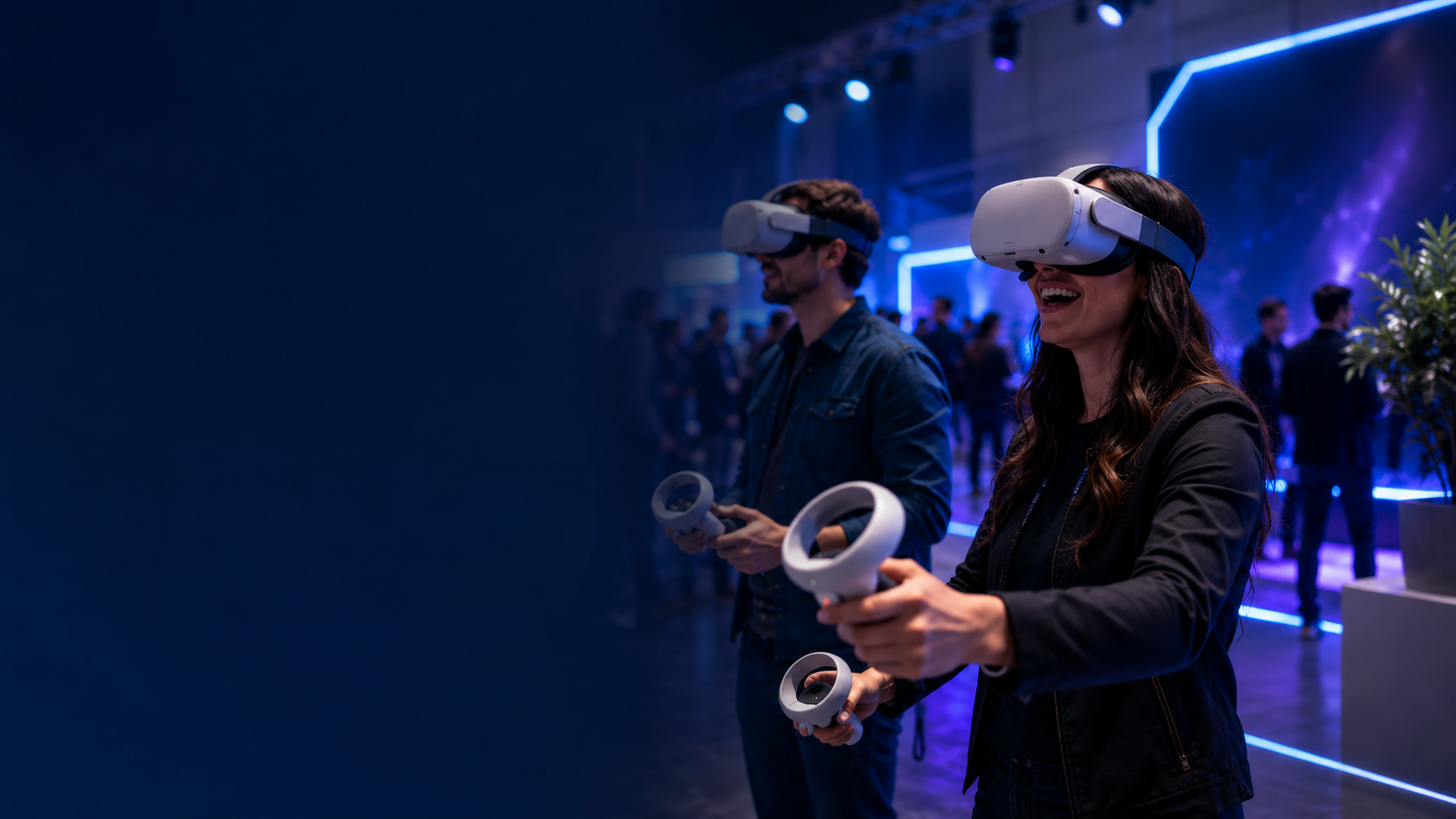
Virtual reality has become one of the most exciting ways to make an event memorable. Whether you are planning a corporate activation, trade show booth, school event, team-building session, birthday party, product launch, festival, or private gathering, VR rentals can give guests a hands-on experience they will talk about long after the event ends.
One of the first questions most planners ask is simple: how much do VR rentals cost for a weekend or short-term event?
The short answer is that VR rentals usually cost between $50 and $500 per headset, depending on the type of equipment, rental duration, number of headsets, delivery needs, setup support, staffing, and the kind of VR experience you want to offer. A small self-service rental may sit at the lower end of the range, while a fully managed event package with premium headsets, custom content, delivery, setup, and on-site support can cost more.
At IGIVU, VR rental pricing is typically based on the event’s size, goals, location, and technical requirements. This guide breaks down what affects the cost and how to choose the right VR rental package for a weekend or short-term event.
Average Cost of VR Rentals
For most weekend or short-term events, VR rental costs can be estimated in three general tiers.
Basic VR headset rentals often range from $50 to $150 per headset. These packages are usually best for smaller events, simple demos, classroom activities, or situations where the client already has a plan for managing the equipment. They may include the headset, controllers, chargers, and basic instructions.
Mid-range VR rental packages usually cost around $150 to $300 per headset. These are common for corporate events, brand activations, training sessions, gaming experiences, and short-term installations. This level may include better equipment, preloaded software, delivery options, setup assistance, and basic technical support.
Premium VR event packages can range from $300 to $500 or more per headset, especially when the rental includes on-site staff, guided experiences, custom content, multiple event days, sanitization support, high-end devices, or a larger production setup.
For many events, the total cost is not based only on the headset itself. Delivery, setup, staffing, software, insurance, travel, and event support may all influence the final package price.
What Affects the Cost of VR Rentals?
Several factors determine how much you will pay for a VR rental. Understanding these factors helps you compare packages more accurately.
1. Number of VR Headsets Needed
The more headsets you rent, the higher the total cost will be. However, many rental providers offer better per-unit pricing for larger orders. For example, renting one or two headsets for a private event may cost more per headset than renting ten or twenty headsets for a corporate training session or public activation.
The number of headsets you need depends on your guest count, event schedule, and how long each VR experience lasts. If each guest spends five minutes in VR and you expect a large audience, you may need several headsets to avoid long wait times.
2. Rental Duration
Weekend and short-term rentals are usually priced differently from single-day or long-term rentals. A one-day rental may be ideal for a conference booth or party, while a weekend rental works better for festivals, pop-ups, school programs, or multi-day corporate events.
A weekend VR rental often covers pickup or delivery before the event and return after the event. Some providers charge by the day, while others offer bundled weekend pricing.
3. Type of VR Equipment
Not all VR headsets cost the same. Standalone headsets are often more affordable and easier to set up because they do not require a gaming computer. PC-powered VR systems can cost more because they may require laptops, sensors, cables, monitors, and additional setup time.
Premium headsets, mixed reality devices, motion tracking systems, racing simulators, VR booths, and multiplayer setups may also increase the rental cost.
4. Delivery and Setup
Delivery and setup can be a major part of VR rental pricing. If the equipment is shipped or dropped off without support, the cost may be lower. If a team delivers, installs, tests, and prepares everything for the event, the price will usually be higher.
Professional setup is often worth it for corporate events, public events, and high-traffic experiences because it reduces technical issues and ensures the VR station looks polished.
5. On-Site Staffing
Some events need trained attendants to guide guests, sanitize equipment, troubleshoot issues, and keep the line moving. On-site staffing adds to the total cost but can dramatically improve the guest experience.
Staffing is especially useful when attendees are new to VR. A trained event technician can explain controls, fit the headset correctly, launch the right experience, and make sure each guest feels comfortable.
6. Software and VR Content
The type of content you use also affects pricing. Standard VR games, simulations, and preloaded apps may be included in some packages. Custom-branded experiences, training modules, product demos, educational content, or multiplayer software may cost extra.
For brand activations and corporate events, custom VR content can make the experience more relevant and memorable, but it should be planned early because development or licensing may affect the timeline and budget.
7. Location and Travel
Local rentals are usually more affordable than events that require long-distance travel. If the event location is outside the provider’s standard service area, travel fees, mileage, parking, shipping, or accommodation costs may apply.
When requesting a quote, include the event address, venue access details, setup time, and breakdown time so the provider can price the rental accurately.
Example VR Rental Packages
While every event is different, here are a few common package types.
A small weekend VR rental may include two to four standalone headsets, chargers, controllers, preloaded games or apps, and basic instructions. This is a good fit for private parties, classrooms, small team events, and casual entertainment.
A corporate event package may include multiple headsets, delivery, setup, branded content, on-site support, and usage guidance. This is ideal for conferences, expos, employee engagement, product launches, and training sessions.
A fully managed VR activation may include premium headsets, staff, custom software, display screens, sanitization stations, signage, and full technical management. This is best for high-traffic events where presentation and reliability matter.
How to Choose the Right VR Rental Package
The best VR rental package is not always the cheapest one. The right package depends on what you want guests to experience and how smoothly the event needs to run.
Start by estimating your guest count and deciding how many people should be able to use VR per hour. Then choose the type of experience: gaming, training, education, product demo, simulation, or entertainment. Next, decide whether you need delivery, setup, and on-site support.
For small events, a simple headset rental may be enough. For business events or public activations, a managed package is usually a better choice because it reduces stress and creates a more professional experience.
Is VR Rental Worth It for a Weekend Event?
VR rental can be a strong investment because it creates an interactive attraction that stands out from standard event entertainment. Guests are not just watching a screen; they are stepping into an immersive environment. That makes VR useful for engagement, education, training, brand storytelling, and entertainment.
For businesses, VR can help attract booth traffic, explain complex products, train employees, or create a memorable brand moment. For private and community events, it adds excitement and gives guests something new to try.
Quick Answer: How Much Do VR Rentals Cost?
VR rentals for weekend and short-term events usually cost between $50 and $500 per headset. Basic headset-only rentals are usually the most affordable, while full-service packages with delivery, setup, premium equipment, custom content, and on-site staff cost more. The final price depends on the number of headsets, rental length, event location, technical support, and the VR experience required.
Frequently Asked Questions
How much does it cost to rent a VR headset for a weekend?
A weekend VR headset rental usually costs between $50 and $500 per headset, depending on the headset type, package level, software, delivery, setup, and support.
Do VR rentals include setup?
Some VR rental packages include setup, while others are self-service. For corporate events, trade shows, and larger gatherings, professional setup is recommended.
Can I rent multiple VR headsets for an event?
Yes. Multi-headset rentals are common for events with many guests. Larger packages may offer better per-headset pricing and can reduce wait times.
Are VR rentals good for corporate events?
Yes. VR rentals work well for corporate training, team-building, product demos, trade show booths, employee engagement, and brand activations.
What should I ask before booking VR rentals?
Ask what equipment is included, how many guests can participate per hour, whether delivery and setup are included, what content is available, and whether on-site support is recommended.
How to Book VR Rentals with IGIVU
Booking VR rentals with IGIVU starts with a clear event brief. Share your event date, location, guest count, rental duration, preferred experience, and whether you need delivery, setup, or staffing. From there, IGIVU can recommend a package that fits your goals and budget.
For a small weekend event, a basic package may be enough. For a high-impact activation, a full-service VR setup can help deliver a smooth, professional, and unforgettable experience.

