Every year on Safety Day, organizations invest time and resources into safety training. Posters are displayed, presentations are delivered, and safety manuals are shared. Yet despite all this effort, workplace accidents continue to happen. Employees often forget procedures, underestimate risks, or fail to react correctly during real-life emergencies.
The real issue isn’t lack of intent, it’s lack of impact. Traditional Safety Day training methods are passive. Employees listen, nod, and move on. There’s no real pressure, no real consequence, and no real experience. When danger actually strikes, panic replaces preparation. A single mistake can lead to injuries, downtime, legal penalties, or even loss of life.
This is where VR-based Safety Day training changes everything. By placing employees inside realistic, high-risk scenarios, without any real danger, Virtual Reality transforms safety training from awareness into action. It allows teams to practice, fail, learn, and improve in a controlled, immersive environment.
What Is Safety Day Training?
Safety Day training is designed to raise awareness, improve compliance, and prepare employees to handle workplace hazards. It typically focuses on:
-
Identifying risks
-
Learning safety protocols
-
Emergency response procedures
-
Promoting a safety-first culture
While the objective is critical, the method of delivery determines whether the training actually works.
Traditional Safety Day Training Methods
Traditional training has been the standard for decades. It is familiar, easy to organize, and low-cost upfront—but it comes with limitations.
Common Traditional Methods
-
Classroom lectures
-
PowerPoint presentations
-
Safety manuals and handouts
-
Posters and signage
-
Video demonstrations
Limitations of Traditional Safety Training
1. Passive Learning
Employees are observers, not participants. Listening does not equal learning—especially in high-risk environments.
2. Low Knowledge Retention
Studies consistently show that people forget most of what they hear within days if they don’t practice it.
3. No Real-Life Simulation
You cannot safely recreate fires, machinery failures, or hazardous spills in real life. This leaves employees unprepared for actual emergencies.
4. One-Size-Fits-All Approach
Traditional sessions often ignore role-based risks and individual learning speeds.
What Is VR-Based Safety Day Training?
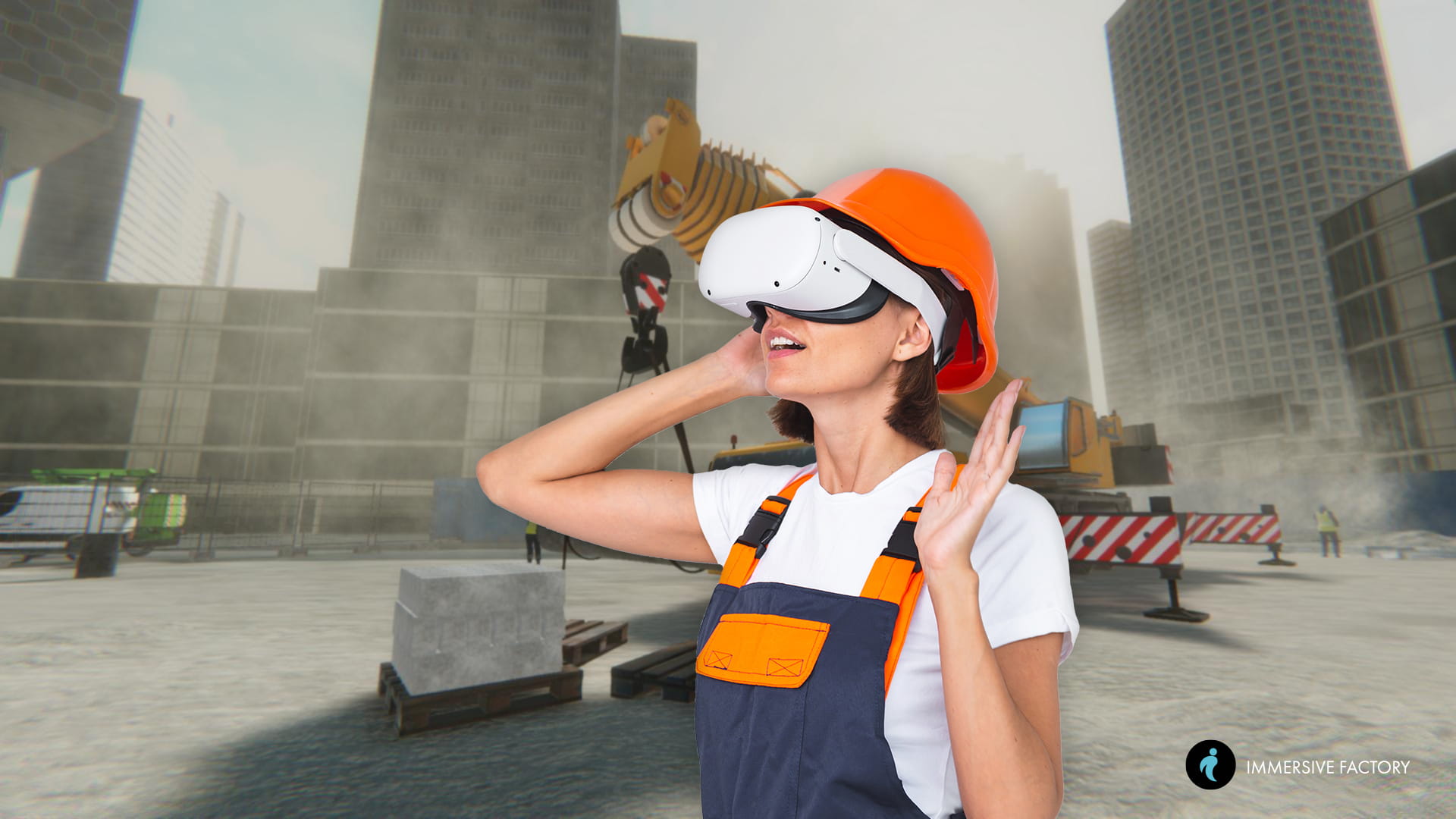
VR-based safety training uses immersive virtual environments to simulate real-world hazards and emergency situations. Employees wear VR headsets and interact with scenarios that closely mirror their actual work conditions.
Platforms like IGIVU design VR safety experiences that allow organizations to conduct impactful Safety Day training without exposing workers to real danger.
VR-Based Learning for Safety Day
How VR Safety Training Works
-
Employees enter a simulated workplace
-
They face realistic hazards and decision points
-
Immediate feedback is provided based on actions
-
Training can be repeated until mastery is achieved
Traditional vs VR-Based Safety Day Training
1. Engagement Level
Traditional Training:
Low engagement. Employees often multitask or mentally disengage.
VR-Based Training:
High engagement. Employees are fully immersed and actively involved.
2. Learning Retention
Traditional Training:
Information-heavy, practice-light, leading to poor retention.
VR-Based Training:
Learning by doing dramatically improves memory and response accuracy.
3. Risk Exposure
Traditional Training:
Cannot safely recreate high-risk scenarios.
VR-Based Training:
Simulates dangerous situations without real-world consequences.
4. Skill Application
Traditional Training:
Theoretical understanding with limited practical application.
VR-Based Training:
Employees practice real decision-making under pressure.
5. Scalability & Consistency
Traditional Training:
Trainer-dependent and inconsistent across locations.
VR-Based Training:
Standardized, repeatable, and scalable across teams and regions.
Why VR Is More Effective for Safety Day Training
Experiential Learning Builds Muscle Memory
VR allows employees to react, not just recall. This builds instinctive responses that matter in emergencies.
Safe Failure Leads to Better Preparedness
Mistakes in VR don’t cause harm, but they do create powerful learning moments.
Data-Driven Insights
VR training captures performance data, helping organizations identify risk gaps and training needs.
Cost Consideration: Short-Term vs Long-Term
While traditional training may seem cheaper initially, the hidden costs of accidents, downtime, and retraining add up quickly.
VR safety training:
-
Reduces accident-related costs
-
Minimizes downtime
-
Shortens training duration
-
Improves compliance outcomes
Over time, VR delivers a much higher return on investment.
The Future of Safety Day Training
Safety Day is no longer just about awareness—it’s about readiness. As workplaces become more complex and risks increase, immersive training is becoming essential, not optional.
Organizations that adopt VR-based Safety Day training move from reactive safety to proactive prevention.
Traditional Safety Day training talks about safety.
VR-based training builds safety behavior.
If the goal is to protect people, reduce incidents, and create a true safety culture, immersive learning is the clear next step.
Turn your next Safety Day into a real safety experience.
Discover how VR-based Safety Day training can prepare your workforce for real-world risks—without real-world consequences.