In the competitive, high-stakes environment of a trade show, a passive booth is a forgotten booth. Today’s attendees are no longer drawn in by a simple display and a bowl of branded pens. They expect—and reward—experiences. This guide provides a comprehensive lifecycle approach to creating trade show activations that not only draw crowds but also turn active participants into qualified, pipeline-ready leads.
What Makes a Trade Show Activation Successful in 2024
Successful trade show activations have evolved from passive displays into immersive experiences. High-performing activations are defined by three core factors: the ability to attract and pre-qualify visitors, memorable engagement that significantly extends dwell time, and measurable actions that connect directly to sales pipeline. This is the difference between an expensive decoration and a revenue-generating engine.
The Shift from Giveaways to Experiences
The era of transactional giveaways is fading. Modern attendees and event organizers are shifting focus from “stuff” to strategic, experience-driven engagement. While a thoughtful gift can still create a personal connection, the real ROI comes from turning passive viewers into active participants.
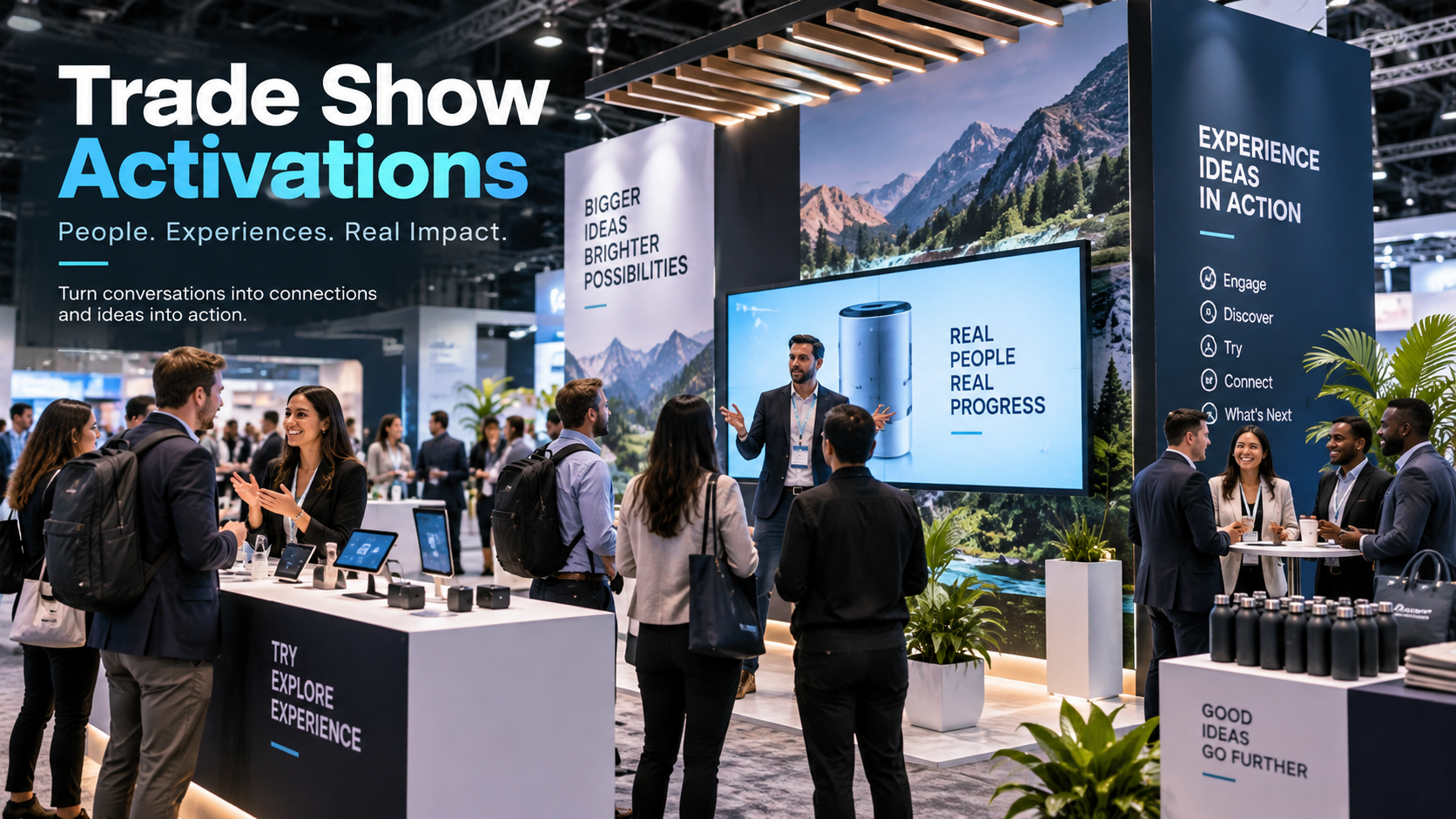
Interactive booths see visitors stay three to five times longer than at static displays. This extended dwell time provides a crucial window for your team to move beyond a quick pitch and initiate meaningful conversations. The goal is to transform your booth from a sales station into a destination that commands attention and emotional investment.
Measuring Activation ROI Beyond Badge Scans
Measuring success by the sheer volume of badge scans is an outdated and often misleading metric. The true value of an activation lies in the quality of the interactions it generates.
Effective ROI measurement focuses on:
- Engagement and Dwell Time: How long attendees stay in your booth is a primary indicator of genuine interest. Tracking this reveals which parts of your activation are most compelling.
- Lead Quality Over Quantity: An engaged visitor who completes an interactive demo is a far warmer lead than a passerby who only stopped for a freebie. This allows sales teams to prioritize follow-up efforts effectively.
- Pipeline Influence: The ultimate metric is tracking how many deals were influenced or sourced by the trade show experience. This requires multi-touch attribution models that connect booth interactions to closed revenue.
Pre-Show Planning: Designing Your Activation Strategy
A successful activation is born from meticulous planning that begins 8-12 weeks before the event. This phase is critical for defining objectives, understanding your audience, and designing an experience that aligns with your business goals.
Setting Activation Objectives That Drive Business Outcomes
Before designing your booth, you must define what you aim to achieve. Clear objectives will guide every subsequent decision, from the type of activation you choose to the metrics you track. Key considerations include:
- Aligning with Sales Targets: Is the primary goal to generate a high volume of leads, or to identify a smaller number of highly qualified prospects?
- Defining Success Metrics: Establish Key Performance Indicators (KPIs) before the event. This could be the number of qualified demos completed, meetings booked on-site, or target accounts engaged.
- Budget Allocation: A realistic budget should account for booth space, design and fabrication, technology and equipment rental, shipping, and staffing. A common rule of thumb is that your total investment will be about three times the cost of your floor space.
Audience Research and Experience Mapping
Understanding attendee demographics and their motivations for attending the show is fundamental. This knowledge allows you to tailor the experience for maximum relevance and impact. Map the ideal visitor journey from the moment they see your booth from the aisle to the follow-up email they receive post-show. A well-planned layout with clear pathways and optimized flow is essential to guide visitors and prevent congestion.
Space Planning and Technical Requirements
The physical layout of your booth is crucial for managing traffic and creating an inviting atmosphere.
- Booth Layout: An open layout encourages accessibility and welcomes visitors in. Allocate roughly 60% of your space for visitor movement and interaction.
- Technical Needs: Activations involving VR, AR, or large digital displays have significant power and internet requirements. These services can be surprisingly expensive, with electricity costing $300 to $1,500 and dedicated internet running from $800 to $2,000. Confirm all technical needs and convention center regulations well in advance.
Types of Trade Show Activations That Drive Engagement
The most effective activations match the experience type to your specific marketing goals and audience. From immersive product explorations to friendly competitions, the right concept can turn your booth into a must-see destination.
Immersive Product Demonstrations
For complex, large-scale, or configurable products, immersive technologies like Virtual Reality (VR) and Augmented Reality (AR) are game-changers.
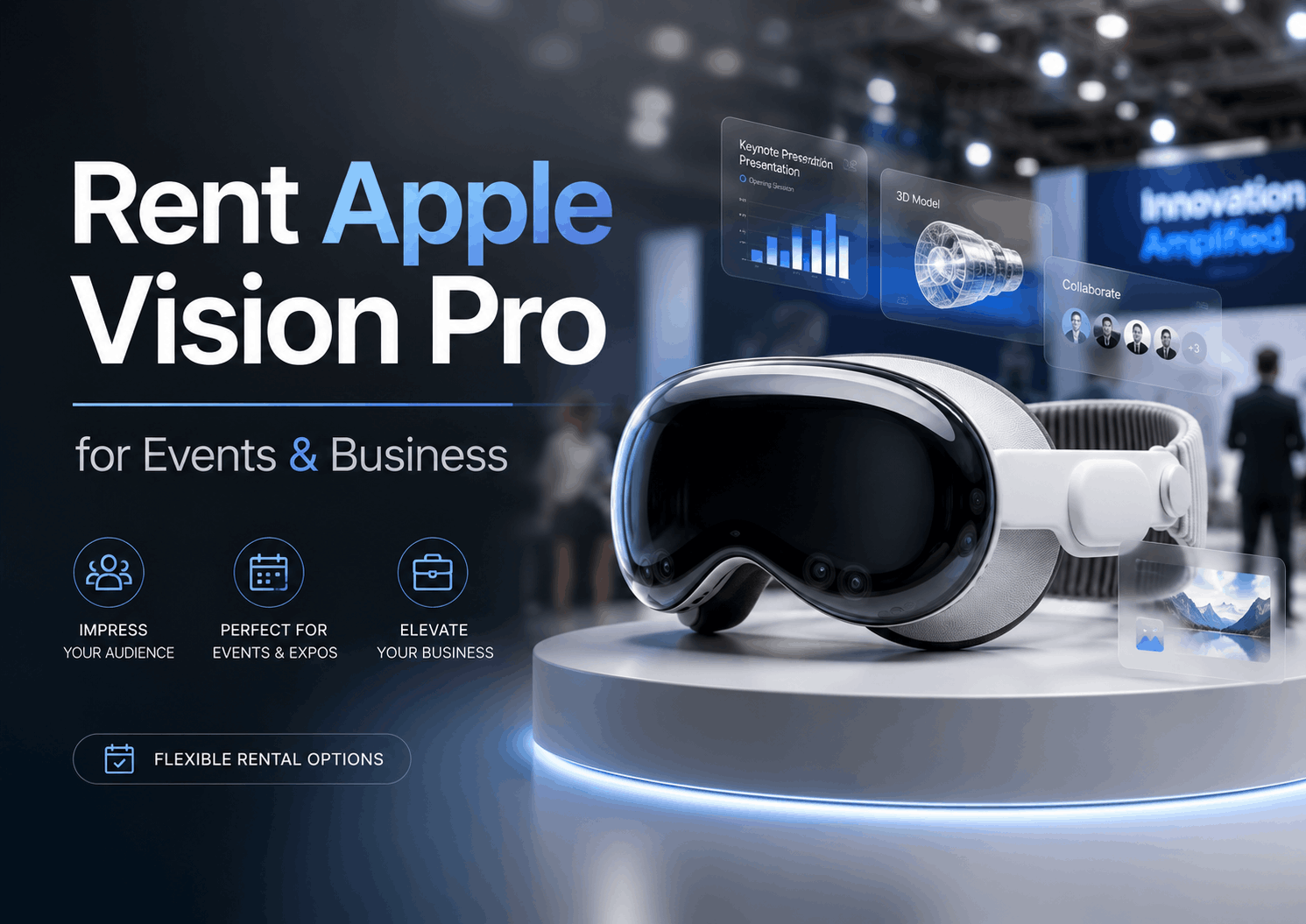
- VR and AR Applications: VR can transport attendees to a virtual facility or allow them to interact with a full-scale digital twin of your product, eliminating the need to ship large equipment. AR can overlay digital information onto physical products, showcasing different configurations or features. Brands using these technologies report higher engagement rates and longer dwell times.
- Staff Training: Booth staff must be trained not just on the technology, but on how to guide visitors through the experience to ensure it’s seamless and impactful.
Competitive and Gamified Experiences
Gamification applies principles of game design—like challenges, points, and leaderboards—to non-game contexts, tapping into our natural desire for achievement and competition.
- Leaderboard Dynamics: A live leaderboard creates a focal point, encouraging repeat visits as attendees try to beat their score or their colleagues’. This sustained engagement provides multiple opportunities for conversation.
- Balancing Fun and Function: The game should be entertaining but also strategically designed to reinforce brand messaging or educate attendees about your product’s value.
- Data Capture: Integrate lead capture directly into the game, for example, by requiring an email to register a score on the leaderboard.
Educational and Training Simulations
Activations can serve as powerful educational tools, especially for B2B solutions that require a deeper understanding.
- Hands-On Learning: Convert a complex sales pitch into a hands-on simulation that allows prospects to experience the product’s benefits firsthand. People remember what they do far better than what they see or hear.
- Lead Qualification: An attendee who completes a training module or a skills-based challenge is demonstrating a high level of interest and qualifying themselves as a strong lead.
Social and Shareable Moments
An activation that is visually compelling and fun can extend your reach far beyond the trade show floor.
- Instagram-Worthy Design: Create a unique photo or video opportunity, like a 360-degree video booth or an AI-powered art station, that attendees will be excited to share.
- Hashtag Campaigns: Encourage social sharing by incorporating a clear event hashtag and displaying a live social wall of attendee posts. This user-generated content acts as powerful social proof.
Execution: Running Your Activation On-Site
A brilliant concept can fail without flawless execution. Success on the show floor depends on well-trained staff, efficient queue management, and robust technical contingency plans.
Staffing and Role Assignments
Your booth staff are the critical link between the activation and the attendee.
- Dedicated Roles: Assign specific roles: “attractors” to draw people in from the aisle, “guides” to run the activation, and “qualifiers” to engage with participants and identify promising leads.
- Training and Energy: Ensure your team is thoroughly trained on the activation’s technology and messaging. Schedule shifts to keep energy levels high throughout the event.
Queue Management and Throughput Optimization
A long, disorganized line can deter visitors.
- Virtual Queuing: Implement a virtual queue system where attendees can register with their phone number and receive a text when it’s their turn. This allows them to explore other parts of the show instead of waiting in a physical line.
- Scheduled Demos: For more in-depth experiences, offer pre-scheduled appointment slots to manage flow and guarantee time with high-value prospects.
- Overflow Activities: Have a secondary, quicker activity or comfortable seating areas for attendees during peak traffic periods.
Technical Support and Contingency Planning
Technology can fail. A solid backup plan is non-negotiable.
- On-Site Support: Have a clear protocol for troubleshooting technical issues, including contact information for your rental vendor or an on-site technician.
- Backup Plans: What happens if the primary activation goes down? Have a simpler, low-tech alternative ready to deploy so your booth doesn’t sit empty.
Data Capture and Lead Qualification During Activations
Interactive activations are powerful data generation tools. The key is to collect information seamlessly without creating friction that disrupts the experience.
Progressive Data Collection Strategies
Don’t ask for 15 data points upfront. Instead, collect information progressively. You might ask for a name and email to join a game, and then have booth staff add qualification notes to the CRM based on their conversation with the participant. This balances your need for data with the attendee’s experience.
Lead Scoring Based on Activation Behavior
The data you collect should go beyond contact information. Track behavioral signals that indicate interest and intent.
- Engagement Depth: Did the visitor complete the entire VR demo? Did they ask detailed questions after playing the game? This information is invaluable for lead scoring.
- CRM Integration: Connect your activation’s data capture directly to your CRM and marketing automation platforms to enable real-time lead routing and personalized follow-up.
Post-Show: Extending Activation Impact
The value of your activation doesn’t end when the trade show does. A strategic post-show plan is essential for capitalizing on the engagement and content you’ve generated.
Follow-Up Sequences That Reference the Experience
Generic “thanks for stopping by” emails are easily ignored.
- Personalized Outreach: Tailor your follow-up messages based on the specific activation the lead participated in. Send them their score from the game, a recording of their VR experience, or a link to the simulation they tried.
- Nurture Campaigns: Develop nurture campaigns that build on the themes and information presented during the activation, providing further value and moving the prospect down the sales funnel.
Content Creation from Activation Assets
Your on-site activation is a content goldmine.
- Social Proof: Turn photos and videos of attendees enjoying the experience into social media posts, highlight reels, and case studies.
- Digital Marketing: Repurpose the core content of the activation—such as a product simulation or educational quiz—into a digital format that can be used in online marketing campaigns.
Budgeting and ROI Calculation for Trade Show Activations
A comprehensive understanding of all associated costs is necessary to accurately calculate the ROI of your trade show activation.
Cost Components of Different Activation Types
Go beyond the booth space fee. A typical trade show budget breaks down roughly as follows:
- Booth Space: 33%
- Exhibit Design/Build: 18%
- Travel & Accommodation: 18%
- Show Services (electricity, internet, drayage): 12%
- Shipping & Logistics: 9%
- Promotion & Marketing: 8%
Equipment rental can be a cost-effective option for activations you don’t plan to use frequently, saving on shipping, storage, and maintenance costs.
ROI Metrics and Attribution Models
To prove the value of your investment, shift your focus from vanity metrics to pipeline impact.
- Cost Per Qualified Lead: Instead of cost per badge scan, calculate the cost per truly qualified lead—someone who showed genuine interest through their interaction.
- Pipeline Velocity: Track whether leads who participated in your activation move through the sales cycle faster than those who did not.
- Multi-Touch Attribution: Use an attribution model that recognizes the trade show as a key touchpoint in deals that may close months later, ensuring the activation receives proper credit for its influence.
Conclusion: From Booth to Destination
In today’s competitive landscape, the most successful exhibitors are those who stop thinking about building a booth and start thinking about creating an experience. By shifting from passive displays to interactive activations, you transform your space from a simple sales pitch into a memorable destination. This approach not only drives significant booth traffic but also fosters deeper engagement, generates higher-quality leads, and delivers a measurable return on investment. The future of trade shows is experiential; the brands that embrace it will be the ones who win.
Frequently Asked Questions (FAQs)
How far in advance should we plan a trade show activation?
Effective planning for an interactive trade show activation should begin 8-12 weeks before the event to allow ample time for strategy, design, vendor selection, and logistics.
What’s the minimum booth size needed for an interactive activation?
While larger spaces offer more possibilities, impactful interactive activations can be designed for a standard 10×10 booth. The key is to optimize the layout for flow and choose an activation—like a single VR station or a touchscreen game—that fits the space.
How many staff members are needed to run an activation?
For a 10×10 booth, two to three staff members are typically sufficient. It’s important to have dedicated roles: someone to engage passersby, someone to manage the activation itself, and someone to talk with qualified prospects.
Can we reuse the same activation at multiple trade shows?
Absolutely. Designing a modular activation that can be reused is a cost-effective strategy. VR experiences, for example, are highly reusable as only the digital content needs to be updated for different events, saving on shipping and fabrication costs.
How do we measure ROI on experiential activations vs. traditional booths?
Instead of focusing on lead volume (badge scans), measure ROI based on lead quality, engagement depth (dwell time, interactions completed), follow-up meetings booked, and, most importantly, pipeline influenced and revenue generated from event leads.
What backup plans should we have if technology fails?
Always have a contingency plan. This could range from having backup hardware on-site to having a simpler, non-digital engagement (like a compelling product challenge or a well-structured conversation starter) ready to go if your primary tech fails.
How do we handle data privacy at international trade shows?
If exhibiting internationally, particularly in Europe, you must comply with GDPR and other local data privacy regulations. This means being transparent about what data you are collecting and how you will use it, and obtaining clear consent from attendees before capturing their information.