Why Smart Companies Rent VR Equipment Before Buying
Purchasing VR hardware represents a significant capital investment with ongoing maintenance costs, content licensing fees, and training requirements. Leading organizations now use rental-based pilot programs to validate use cases, measure ROI, and secure stakeholder buy-in before committing to hardware purchases.
The enterprise VR market has matured beyond early adopter enthusiasm. Today’s procurement teams demand concrete evidence of value before approving five or six-figure hardware investments. A structured try before you buy VR approach transforms speculative technology adoption into data-driven decision making.
The Hidden Costs of Premature VR Hardware Investment
The sticker price on VR headsets tells only part of the story. Organizations that rush into hardware purchases often discover substantial hidden costs that erode their expected ROI.
Hardware depreciation rates for VR equipment currently run between 30-40% annually. A $3,000 enterprise headset purchased today may be worth just $1,800 in 12 months as newer models with better specifications enter the market. This rapid depreciation makes VR equipment a poor capital investment without proven use cases.
Content licensing fees scale directly with the number of owned devices. Enterprise VR applications typically charge $50-500 per headset per month. A premature purchase of 20 headsets could lock you into $1,000-10,000 monthly software costs before validating whether employees will actually use the technology.
IT support burden extends far beyond initial setup. VR devices require regular firmware updates, troubleshooting for tracking issues, and coordination between multiple software platforms. Organizations report spending 2-4 hours of IT time per headset per month on maintenance and support.
Infrastructure requirements compound the investment. Proper VR deployment needs:
- Dedicated storage solutions with charging capabilities ($200-500 per headset)
- Hygiene stations with UV sanitizers and disposable face cushions ($50-100 monthly per station)
- Network upgrades to support wireless streaming ($5,000-25,000 depending on facility size)
- Insurance riders for high-value equipment ($100-300 per headset annually)
How Rental Pilots De-Risk Your VR Strategy
A VR pilot program rental strategy eliminates these risks while providing the data needed for informed decision-making. Smart organizations leverage rental programs to transform VR adoption from a gamble into a calculated investment.
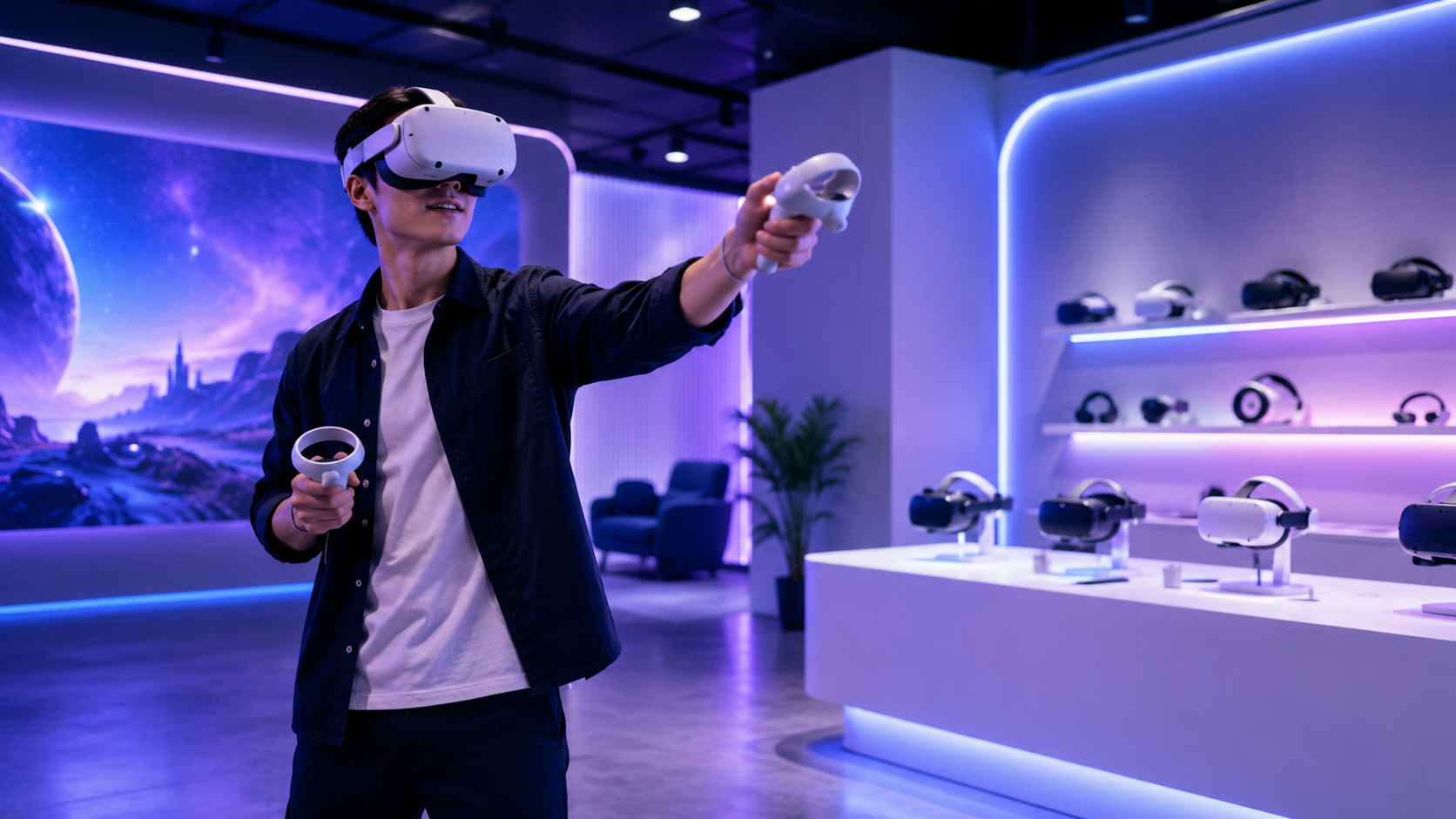
Test multiple hardware platforms without commitment. The VR hardware landscape includes diverse options from Meta Quest 3 at $500 to Varjo Aero at $5,000. Rental pilots let you evaluate different platforms for your specific use case. A training program might work perfectly on Quest 3, while precision design work demands Varjo’s superior resolution. Testing both costs a few thousand dollars in rental fees versus $50,000+ in hardware purchases.
Validate actual usage rates versus projected adoption. Initial enthusiasm rarely translates to sustained engagement. Rental pilots reveal true adoption patterns. One Fortune 500 manufacturer discovered through a 90-day pilot that only 30% of targeted employees regularly used VR training modules—far below the 80% projection that justified the initial business case. This insight saved them from a $250,000 hardware investment that would have delivered minimal value.
Identify content gaps before ecosystem lock-in. Each VR platform has unique content libraries and development requirements. A rental pilot exposes whether available applications meet your needs or if custom development is required. Discovering you need $100,000 in custom content development after purchasing $50,000 in hardware creates budget crises that rental pilots prevent.
Build internal champions through successful trials. Skeptical stakeholders become advocates when they experience successful VR implementations firsthand. Rental pilots create low-pressure environments for experimentation. Marketing teams can test VR at one trade show before committing to year-round deployment. HR can trial VR onboarding with one department before company-wide rollout.
Structuring Your VR Pilot Program for Maximum Learning
A well-designed pilot program delivers actionable data on user adoption, technical requirements, and business impact. Here’s how to structure your rental period to answer critical questions before any purchase decision.
The key to successful test VR equipment before buying lies in matching pilot structure to business objectives. Different use cases require different evaluation periods and success metrics.
30-Day Sprint Pilots for Event Marketing
Short-term rentals excel at validating event-based VR deployments. These concentrated pilots generate immediate feedback on visitor engagement and operational requirements.
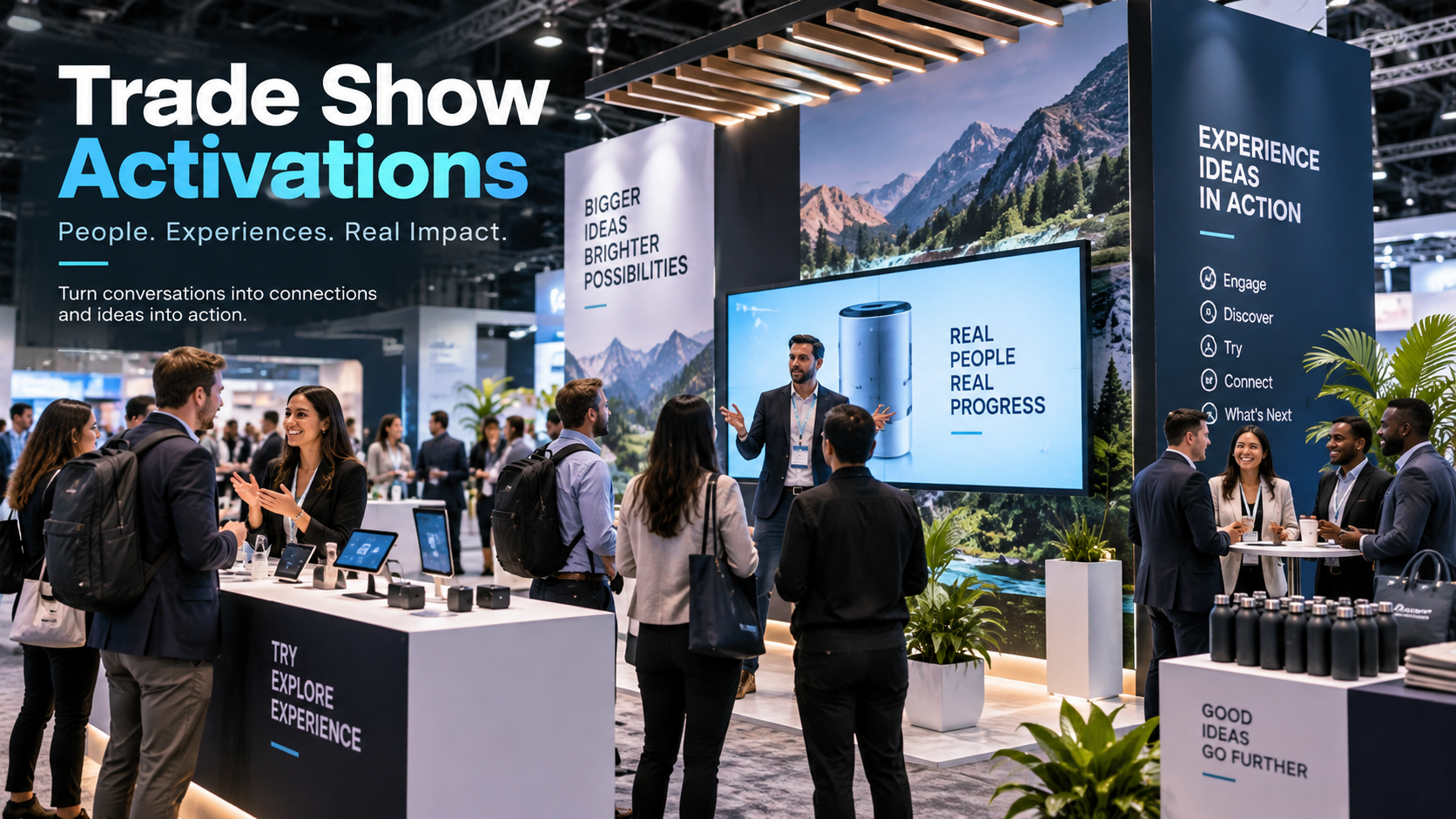
Trade show booth activation testing reveals whether VR genuinely drives booth traffic and qualified leads. Track metrics including:
- Visitor dwell time (target: 3-5 minutes average)
- Lead capture rate (target: 60%+ of VR users)
- Social media mentions and photo opportunities
- Competitive differentiation versus neighboring booths
Visitor engagement metrics quantify VR’s impact on event ROI. A software company’s 30-day pilot across three trade shows revealed:
- 3x longer booth visits compared to traditional demos
- 45% higher lead quality scores from VR participants
- 78% of VR users requested follow-up meetings
- 12% conversion rate from VR demo to sales pipeline
Setup and breakdown requirements determine operational feasibility. Document:
- Initial setup time (typically 2-4 hours for first event)
- Daily setup after transport (15-30 minutes)
- Troubleshooting frequency and resolution time
- Equipment transport logistics and costs
Staff training needs often surprise organizations. Effective VR booth management requires:
- Technical troubleshooting capabilities
- Crowd management skills
- Hygiene protocol enforcement
- Content navigation expertise
90-Day Extended Pilots for Training Programs
Learning and development applications require longer evaluation periods to measure knowledge retention and behavior change. A VR hardware trial period of 90 days provides sufficient data for training effectiveness.
Learning retention comparison validates VR’s educational advantages. Structure your pilot with:
- Control group using traditional training methods
- Test group using VR modules
- Knowledge assessments at 30, 60, and 90 days
- Practical skill demonstrations
- Long-term retention testing at 6 months
Completion rates and time-to-competency metrics justify training transformation. Manufacturing companies report:
- 94% completion rates for VR safety training versus 67% for video-based learning
- 40% reduction in time-to-competency for equipment operation
- 75% fewer safety incidents among VR-trained employees
- 82% preference for VR training in employee surveys
Scalability testing reveals infrastructure requirements for enterprise deployment. Progressive rollout across departments exposes:
- Network capacity limitations
- Content management system needs
- Instructor training requirements
- Scheduling and device allocation challenges
Content development requirements become clear through extended pilots. Organizations discover:
- Gaps in off-the-shelf content libraries
- Custom content development timelines (typically 3-6 months)
- Update frequency for regulatory compliance
- Localization needs for global deployment
Rolling Rentals for Seasonal Activations
Some VR use cases follow predictable seasonal patterns that make permanent ownership inefficient. Rolling rental agreements provide equipment when needed without year-round carrying costs.
Peak season coverage maximizes ROI for seasonal businesses. Retailers using VR for holiday shopping experiences can:
- Rent equipment for November-December rush
- Avoid maintenance during slow months
- Upgrade to newest hardware each season
- Scale device count based on traffic projections
Annual event testing validates VR for recurring activities. Organizations successfully use rolling rentals for:
- Annual sales kickoffs and conferences
- Summer internship programs
- Holiday parties and team building events
- Shareholder meetings and investor days
Budget allocation improves with seasonal rentals. Instead of large capital expenditures, organizations can:
- Distribute costs across operational budgets
- Align expenses with revenue-generating periods
- Test new use cases without long-term commitment
- Maintain financial flexibility
Building Your Business Case: Metrics That Matter
Transform your rental pilot into compelling procurement data. Track these specific metrics during your trial period to build an evidence-based case for investment or continued rental.
Successful pilots move beyond anecdotal feedback to capture quantifiable business impact. The following framework ensures your rent to own VR headsets business case resonates with financial decision-makers.
Engagement and Adoption Metrics
User engagement data forms the foundation of any VR business case. Without strong adoption, even the most innovative technology fails to deliver value.
Session duration and repeat usage rates indicate genuine value creation. Target metrics include:
- Average session length (minimum 15 minutes for training, 5 minutes for marketing)
- Return user rate (target 60%+ within first month)
- Sessions per user per week (minimum 2-3 for training applications)
- Time between sessions (shorter intervals indicate higher engagement)
User feedback scores provide qualitative context for quantitative metrics. Collect:
- Net Promoter Score (target 40+ for VR experiences)
- Comparative ratings versus traditional methods
- Specific feature requests and pain points
- Testimonials and success stories
Technical support ticket volume reveals true operational burden. Monitor:
- Tickets per device per month (target under 2)
- Average resolution time
- Common issue categories
- Self-service resolution rate
Content consumption patterns guide future investment. Analyze:
- Most and least used applications
- Peak usage times and scheduling conflicts
- Content completion rates
- Feature utilization within applications
Financial Performance Indicators
CFOs and procurement teams require clear financial justification for VR investments. These metrics translate pilot results into budget-friendly language.
Cost per engagement comparisons demonstrate VR’s efficiency. Calculate:
- Traditional training cost: instructor time + materials + venue = $X per participant
- VR training cost: rental fee ÷ number of users = $Y per participant
- Savings: (X – Y) × annual training volume = annual benefit
Lead generation value quantifies marketing ROI. Document:
- Cost per lead through traditional channels
- Cost per lead through VR experiences
- Lead quality score differences
- Conversion rate improvements
Training time reduction translates directly to productivity gains. Measure:
- Hours saved per training module
- Hourly loaded cost of employee time
- Annual training volume
- Total productivity value recovered
Equipment utilization rates justify device quantities. Track:
- Hours used per device per day
- Peak concurrent usage
- Idle time percentage
- Optimal fleet size calculations
Operational Readiness Signals
Beyond financial metrics, pilots reveal organizational preparedness for VR adoption. These indicators predict long-term success or failure.
IT infrastructure compatibility determines deployment feasibility. Assess:
- Network bandwidth sufficiency (minimum 50 Mbps per headset)
- Wi-Fi coverage and reliability
- Device management system integration
- Security compliance requirements
Space and storage requirements impact facility planning. Document:
- Square footage needed for VR activities
- Storage security and climate control
- Charging station placement
- Safety zone requirements
Staff capability assessments identify training needs. Evaluate:
- Technical comfort level with VR equipment
- Troubleshooting ability
- Content curation skills
- User coaching effectiveness
Content pipeline maturity predicts sustainable value. Review:
- Available off-the-shelf content
- Custom development capabilities
- Update and maintenance processes
- Content governance policies
Rental Terms That Support Try-Before-You-Buy Programs
Not all VR rental providers structure their offerings to support procurement evaluation. Look for these specific terms and services that enable meaningful pilot programs.
The rental provider you choose significantly impacts pilot success. Vendors specializing in try before you buy VR programs offer terms designed for evaluation rather than just short-term use.
Flexible Duration and Equipment Swaps
Rigid rental terms undermine pilot program effectiveness. Seek providers offering genuine flexibility to adapt as you learn.
Month-to-month extensions allow organic pilot evolution. Your initial 30-day marketing pilot might reveal training opportunities worth exploring. Quality providers offer:
- Seamless contract extensions without penalties
- Consistent pricing across extension periods
- Ability to reduce duration if pilot concludes early
- Pause options for unexpected delays
Mid-pilot hardware changes enable platform comparison. Discovery that Quest 3 lacks necessary resolution shouldn’t derail your pilot. Look for:
- Equipment swap allowances within rental period
- Credit for unused rental time on returned devices
- Side-by-side comparison options
- Cross-platform content compatibility support
Scaling device count accommodates pilot expansion. Successful initial results often justify broader testing. Ensure your provider offers:
- Additional devices without new contracts
- Volume discounts for expanded pilots
- Reduction options if adoption disappoints
- Fleet management tools for multiple devices
Rent-to-own credit accumulation rewards successful pilots. Leading providers apply 25-50% of rental fees toward eventual purchase, making extended pilots financially efficient.
Setup Support and Success Services
Hardware rental alone rarely ensures pilot success. Comprehensive support services accelerate learning and improve outcomes.
Initial configuration and training prevents false starts. Professional providers include:
- On-site setup assistance
- Staff training workshops
- Best practices documentation
- Troubleshooting guides
Content curation matches applications to objectives. Expert providers offer:
- Use case assessment consultations
- Application recommendations
- Content licensing assistance
- Custom development referrals
Technical support maintains pilot momentum. Evaluate:
- Response time guarantees (ideally under 4 hours)
- Remote diagnostic capabilities
- Replacement device shipping
- On-site support options
Usage analytics transform raw data into insights. Advanced providers deliver:
- Real-time usage dashboards
- Automated reporting tools
- Benchmark comparisons
- ROI calculation templates
Converting Pilot Success to Purchase Decisions
When your pilot demonstrates clear value, use this framework to transition from rental to ownership while maintaining momentum and minimizing disruption.
The transition from successful pilot to permanent deployment requires careful planning. Organizations that rush this phase often lose the momentum built during their trial period.
Negotiating Purchase After Successful Rental
Successful pilots create negotiating leverage with both rental providers and hardware manufacturers. Use pilot data to secure favorable terms.
Rental credit application reduces total acquisition cost. Negotiate:
- Maximum credit percentage (target 40-50% of rental fees)
- Credit validity period (minimum 6 months)
- Transferability between hardware models
- Application toward accessories and software
Volume discounts reflect proven demand. Pilot data justifies:
- Bulk purchase pricing (15-30% below retail)
- Extended payment terms
- Free accessories or software bundles
- Priority access to new hardware releases
Extended warranty packages protect your investment. Successful pilots demonstrate:
- Actual failure rates in your environment
- Common damage patterns
- Support response requirements
- Appropriate coverage levels
Content licensing transfers maintain continuity. Ensure:
- Rental period licenses convert to permanent
- User data and progress migrate seamlessly
- Volume discounts apply retroactively
- Multi-year agreements lock favorable rates
Hybrid Models: Own Core, Rent for Surge
Full ownership isn’t always optimal, even after successful pilots. Hybrid approaches balance cost efficiency with flexibility.
Base inventory ownership covers predictable demand. Purchase enough devices for:
- Regular weekly training sessions
- Standard booth configurations
- Core team access
- Development and testing
Rental supplements handle variable needs:
- Large conference deployments
- Seasonal peak periods
- New hire onboarding surges
- Experimental use cases
Technology refresh strategies combat obsolescence:
- Own current generation for 18-24 months
- Rent next-generation devices for evaluation
- Sell owned inventory before major depreciation
- Maintain mixed fleet of owned and rented devices
Risk mitigation protects against market changes:
- Avoid overcommitment to single platform
- Test emerging technologies through rental
- Scale down owned inventory if usage declines
- Maintain vendor relationships for quick scaling
Frequently Asked Questions
How long should a VR pilot program run?
Pilot duration depends on your use case and success metrics. Marketing activations can be evaluated in 30-day sprints, while training programs typically require 90-day pilots to measure knowledge retention. Complex enterprise deployments may benefit from 6-month pilots that include multiple phases and departments. Start with the shortest meaningful duration and extend based on initial results.
Can rental fees apply toward eventual purchase?
Many VR rental providers offer rent-to-own programs where 25-50% of rental fees apply as credit toward purchase. This structure makes extended pilots financially efficient since you’re building equity while evaluating the technology. Always negotiate credit terms before starting your pilot and confirm credit transferability between different hardware models.
What happens if the pilot shows VR isn’t right for us?
Failed pilots provide valuable learning at minimal cost—that’s exactly why the try-before-you-buy approach makes sense. Simply return the rental equipment at the pilot’s conclusion with no further obligation. Document lessons learned to inform future technology evaluations and consider whether different hardware, content, or use cases might succeed where the initial pilot failed.
Should we test multiple VR platforms during the pilot?
Testing 2-3 platforms during your pilot provides valuable comparison data, especially if you’re evaluating both standalone and PC-tethered headsets. Allocate sufficient time with each platform (minimum 2-4 weeks) and test them with the same user groups and content when possible. The additional rental cost is minimal compared to the risk of choosing the wrong platform for purchase.
How many devices do we need for a meaningful pilot?
Start with enough devices to serve your core pilot group without sharing—typically 5-10 headsets for department-level trials or 2-3 for event marketing tests. Shared devices reduce usage due to scheduling conflicts and hygiene concerns. Scale up only after confirming initial adoption and identifying optimal fleet size through utilization data.
What success metrics justify moving from rental to purchase?
Purchase decisions should be based on clear ROI demonstrations. Key thresholds include: 70%+ regular user adoption, 20%+ improvement over traditional methods (time, cost, or effectiveness), utilization rates above 60%, and positive financial ROI within 12-18 months. If your pilot achieves these metrics consistently over its duration, purchase becomes justified.
Conclusion: Transform VR Procurement from Gamble to Strategy
The era of speculative VR hardware purchases has ended. Today’s successful VR deployments begin with structured pilot programs that validate use cases, quantify benefits, and build organizational readiness. By leveraging try before you buy VR rental programs, you eliminate the risk of premature investment while gathering the data needed for confident decision-making.
Whether you’re exploring VR for training, marketing, design, or collaboration, a well-executed pilot program provides the evidence needed to secure stakeholder buy-in and budget approval. The metrics and frameworks outlined in this guide transform subjective enthusiasm into objective business cases that resonate with CFOs and procurement teams.
Ready to launch your risk-free VR pilot program? Contact our team to design a custom pilot that aligns with your business objectives. We’ll help you select the right hardware, define success metrics, and structure rental terms that support your evaluation needs. With flexible month-to-month terms and rent-to-own options, you can explore VR’s potential without the commitment of capital investment.
Start your VR pilot today and discover whether virtual reality can transform your business—without risking your budget on unproven technology.